September is Suicide Prevention Month, a time to raise awareness, reduce stigma, and encourage open conversations about mental health and safety. At Dolphin House Child Advocacy Center, we recognize the strong connection between childhood trauma, including abuse, and long-term mental health outcomes. Understanding this link is critical to prevention and healing.
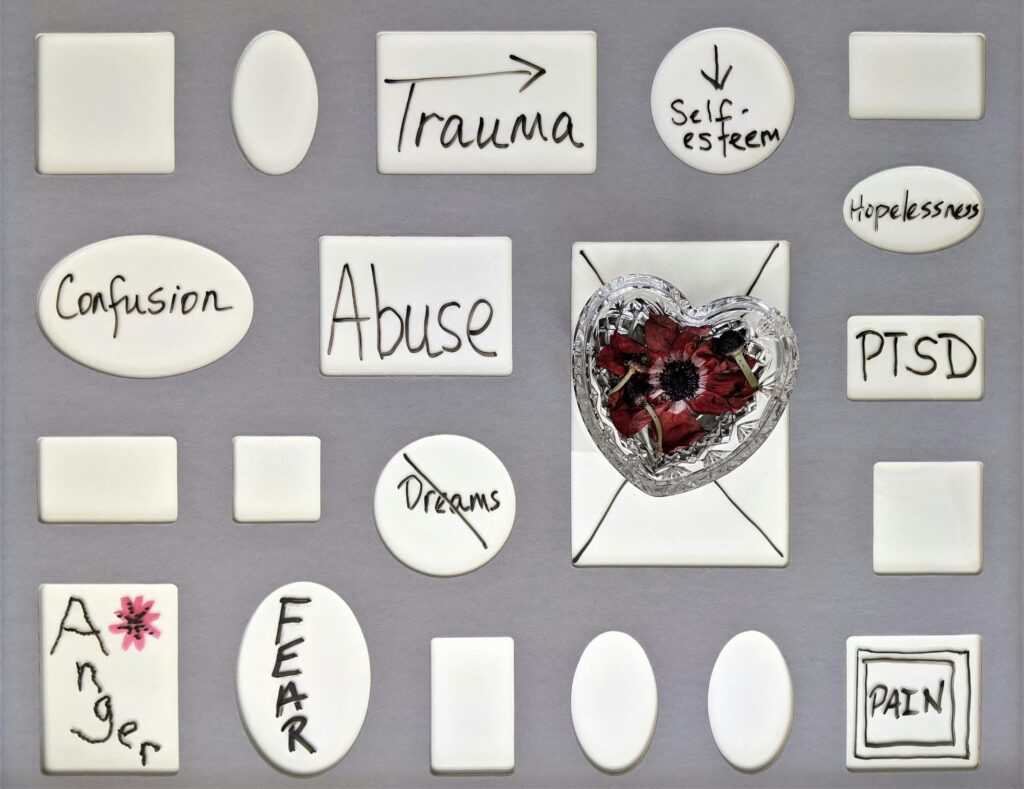
The Link Between Child Abuse and Suicide Risk
Experiencing abuse or neglect in childhood is one of the most significant risk factors for later mental health challenges. Trauma can impact how a child views themselves, others, and the world—sometimes leading to feelings of hopelessness, shame, or isolation if support is not provided.
Research consistently shows:
- Individuals who experienced childhood abuse or neglect are 2–5 times more likely to attempt suicide compared to those without a history of abuse
- Adverse Childhood Experiences (ACEs), including physical, sexual, and emotional abuse, significantly increase the risk of depression, substance use, and suicidal thoughts
- Suicide is among the leading causes of death for adolescents and young adults in the United States
While these statistics are alarming, they also reinforce an important truth: early intervention and support save lives.
Why Prevention and Support Matter
Suicide is preventable. When children and teens have access to safe adults, mental health care, and supportive environments, their risk decreases and their ability to cope increases. Healing from trauma is not about erasing the past—it’s about building resilience, connection, and hope for the future.
Protective factors that reduce suicide risk include:
- Strong relationships with caring adults
- Access to mental health services
- Feeling believed, supported, and understood
- Safe and stable home and school environments
Warning Signs to Watch For
Knowing the warning signs can help save a life. Signs may include:
- Talking about wanting to die or feeling like a burden
- Withdrawal from friends, family, or activities
- Sudden changes in mood or behavior
- Increased substance use
- Giving away belongings or saying goodbye
If you notice these signs, take them seriously and act.
How You Can Help
Start the Conversation
Asking someone if they’re struggling does not put the idea in their head—it can open the door to support and relief.
Listen Without Judgment
Let children and teens share their feelings without minimizing or dismissing them.
Connect to Help
Professional support can make a life-changing difference. Encourage counseling, therapy, or reaching out to trusted adults.
Know the Resources
- 📞 988 Suicide & Crisis Lifeline — Call or text 988 (available 24/7)
- If a child is in immediate danger, call 911
Dolphin House Is Here for Children and Families
At Dolphin House Child Advocacy Center, we understand that trauma does not stop at the moment abuse ends. Emotional wounds may surface later, and ongoing support is essential. Our work focuses on early response, coordinated care, and connecting families to mental health resources that promote long-term healing and safety.
This Suicide Prevention Month, we encourage our community to speak openly, listen compassionately, and act when something doesn’t feel right. Your voice, your care, and your willingness to help can save a life. 💙
If you or someone you know needs support, please reach out. Hope and help are always available.