May is Mental Health Awareness Month—a time to spotlight the critical connection between mental health and healing, especially for children who have experienced trauma or abuse. At Dolphin House Child Advocacy Center, we see firsthand how experiences of abuse can shape a child’s emotional world—but we also witness the resilience and recovery that become possible through intentional support and care.

The Impact of Child Abuse on Mental Health
Child abuse—whether physical, sexual, emotional, or neglect—can leave deep emotional scars that affect a child’s mental health long after the immediate danger has passed. Research shows that exposure to trauma and adverse experiences in childhood increases the risk for anxiety, depression, post-traumatic stress symptoms, difficulties with emotional regulation, and other mental health challenges later in life. Abuse can disrupt a child’s sense of safety, trust, and self-worth, and these impacts often aren’t visible from the outside.
Why Mental Health Support Matters
Positive mental health isn’t just an absence of distress—it’s the foundation for healthy relationships, emotional resilience, and overall well-being. For children affected by abuse, access to mental health support can:
- Help them process trauma in safe, constructive ways
- Build coping strategies and emotional regulation skills
- Strengthen self-esteem and a sense of safety
- Improve functioning at school and in relationships
Mental health support isn’t just therapeutic—it’s empowering.
What the Data Tells Us
Understanding how many children receive mental health support—and how many still need it—helps us see where we can grow as a community:
- According to national data, about 15–19% of children ages 5–17 received some form of mental health treatment in the past year, including counseling or therapy with a mental health professional. Older children (ages 12–17) are more likely to receive treatment than younger ones.
- These numbers reflect growing awareness and help-seeking, but they also show that a large portion of children who may benefit from support still do not receive it—often due to barriers like access, cost, stigma, or limited local services.
How You Can Support Children’s Mental Health
This Mental Health Awareness Month, let’s all take part in creating a community that s
💙 Listen and Validate
Encourage children to express their feelings and experiences without judgment. Listening can be one of the most powerful forms of support.
💙 Normalize Seeking Help
Talking to a counselor, therapist, or mental health professional is a brave and constructive step—just like seeing a doctor for a physical injury.
💙 Reduce Stigma
Words matter. By speaking openly about mental health, we make it easier for children and families to seek care without shame.
💙 Connect to Resources
Schools, pediatricians, churches, and community groups often have tools and referrals for families who need mental health support. When we share these resources, we widen the safety net for children.
💙 Be a Safe Adult
For a child who has experienced trauma, a trusted, consistent adult can make all the difference. Be that steady presence who listens, supports, and helps connect them to care.
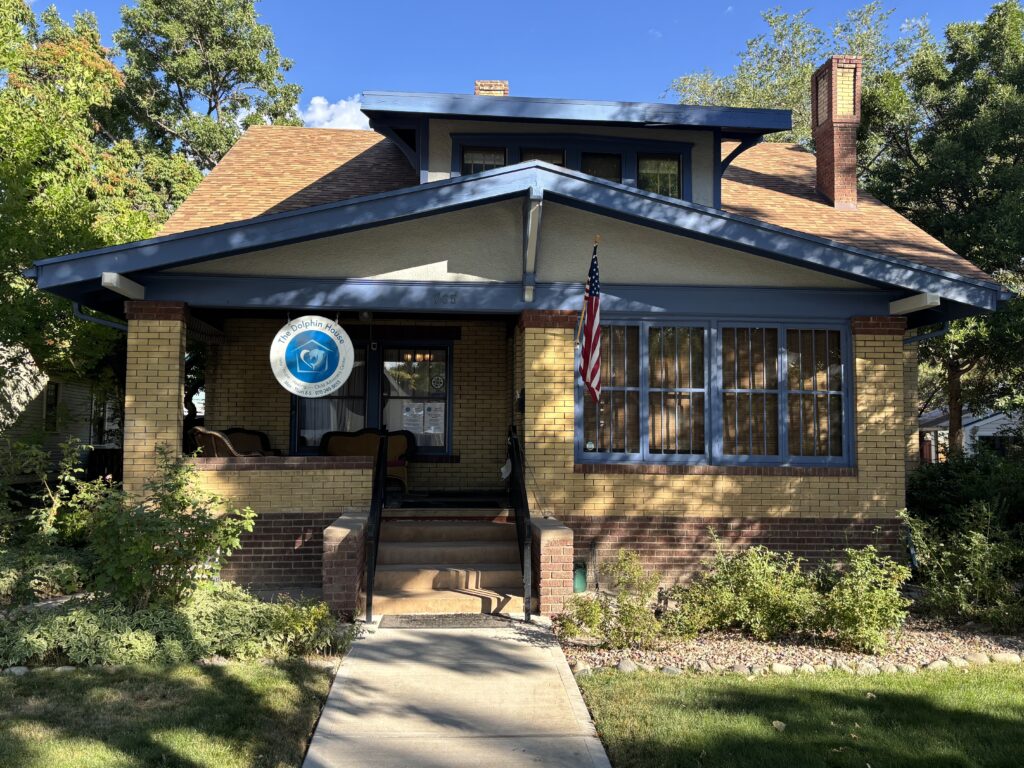
Dolphin House Is Here for You
At Dolphin House, we know that healing from abuse is a journey—and that mental health support plays a central role in that process. Our team works to connect children and families with compassionate, coordinated care that addresses both immediate needs and long-term well-being.
This May, let’s honor Mental Health Awareness Month by standing together for children’s emotional safety and recovery. Every child deserves not only to survive—but to thrive. 💙
If you’re seeking support, resources, or guidance for a child’s mental health, please reach out to Dolphin House Child Advocacy Center. We’re here to walk alongside you and your family.